Illinois Drainage Design: Smart Management for the Local Water Supply
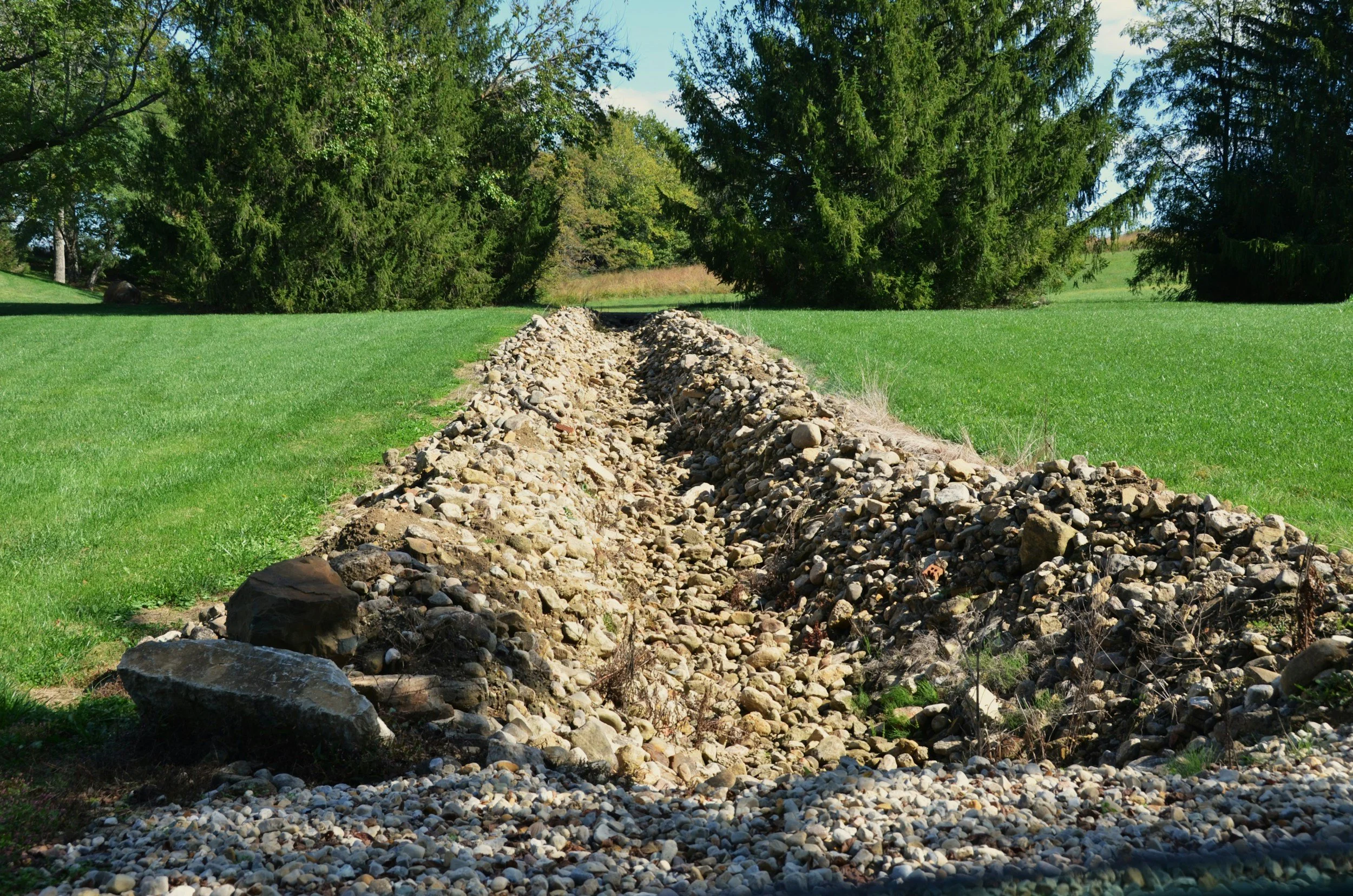
Illinois drainage design projects protect home foundations, prevent icy walkways, support plant health, and keep the shared water supply cleaner. The same principles that guide Illinois’ containment and backflow rules for lawn care facilities apply, on a smaller scale, to residential properties throughout the Chicagoland area. When water has a safe, intentional path, the neighborhood benefits as a whole.
Why Water Management Belongs at the Center of Illinois Drainage Design
The Illinois Department of Agriculture and Illinois Environmental Protection Agency spend significant effort overseeing containment systems and backflow protection for sites that handle fertilizers and pesticides. These agencies prioritize preventing chemicals from washing into storm sewers or flowing backward into drinking water lines. On a residential site, unmanaged runoff can carry soil, nutrients, and pollutants from driveways and lawns straight into street drains and nearby streams.
In practical terms, poor drainage shows up as puddles in the lawn, soft spots near patios, water in basements, and slick, icy patches after winter thaws. That said, thoughtful drainage is a foundation of resilient design. Pappas Company Landscape & Design begins every project by reading the site. It’s vital that our team understands the locations of existing slopes and downspouts. Furthermore, we want to know about the various soil types and where water naturally flows. Observations like these drive decisions about grading, swales, drains, and planting beds so your property works with water.
From Backflow Prevention to Backyard Drainage Design
In commercial facilities, backflow prevention devices and air gaps prevent water used to mix products from siphoning back into municipal lines. While homeowners are not filling spray rigs in the driveway, the same philosophy applies: keep clean water sources separate from runoff and redirect stormwater safely away from structures.
For residential properties, this often entails:
Extending and burying downspouts so water exits into planted areas, not on sidewalks
Installing decorative catch basins or inlets set within planting beds, surrounded by stone and deep-rooted plants, to stabilize soil
Using French drains or subsurface piping to move water away from low spots that stay saturated
Choosing permeable materials—like open-joint pavers or gravel bands—where surface runoff is a recurring issue
During the cold Chicagoland winters, good drainage is one of your best defenses against ice. When meltwater can quickly reach a drain or infiltration area, it is less likely to refreeze on walks, driveways, or steps. That reduces slip hazards and forces less reliance on de-icing salts that can damage turf and plantings.
Designing for Clean Water, Healthy Soil, and Longer-Lasting Hardscapes
Illinois drainage design also supports soil health and hardscape longevity. When water is allowed to sheet across beds and patios, it erodes soil, washes away mulch, and can undermine paver bases or concrete slabs. Over time, that leads to settling, cracking, and costly repairs.
By shaping subtle swales, using soil amendments, and planting deep-rooted natives in key zones, the landscape itself becomes part of the drainage system. Moreover, landscape features like rain gardens, bioswales, and densely planted border beds can slow and filter water, allowing more of it to soak into the ground rather than racing toward the storm sewer. On the hardscape side, proper base depth, compaction, edge restraints, and joint materials ensure patios and walkways stand up to freeze-thaw cycles and heavy use.
Overall, Pappas Company designs drainage and grading hand in hand with planting and hardscaping. For homeowners, we build patios, driveways, and gardens on stable, well-drained foundations. When the Chicago area’s weather swings from heavy rain to deep freeze, homeowners receive less standing water, fewer muddy areas, and a more resilient yard.
Bringing Regulatory-Level Thinking to Your 2026 Project
Regulators focus on containment and backflow because they understand how powerful water acts as a resource and a risk. Whether it is a visible feature like a beautifully landscaped storm inlet or the hidden structure of sub-grade drains and swales, water management is built into our team’s plans from day one.
If you have areas that stay wet, ice over in winter, or send mulch and soil into the street after every storm, now is the time to evaluate your site and plan improvements. As you look ahead to 2026, consider pairing your next patio, driveway, or planting project with upgraded drainage for a safer, cleaner, and more durable landscape.
To explore tailored landscape drainage solutions for your property, contact the Chicago North Shore team at Pappas Company Landscape & Design.