2026 Landscape Design Trends for Chicago North Shore Homes
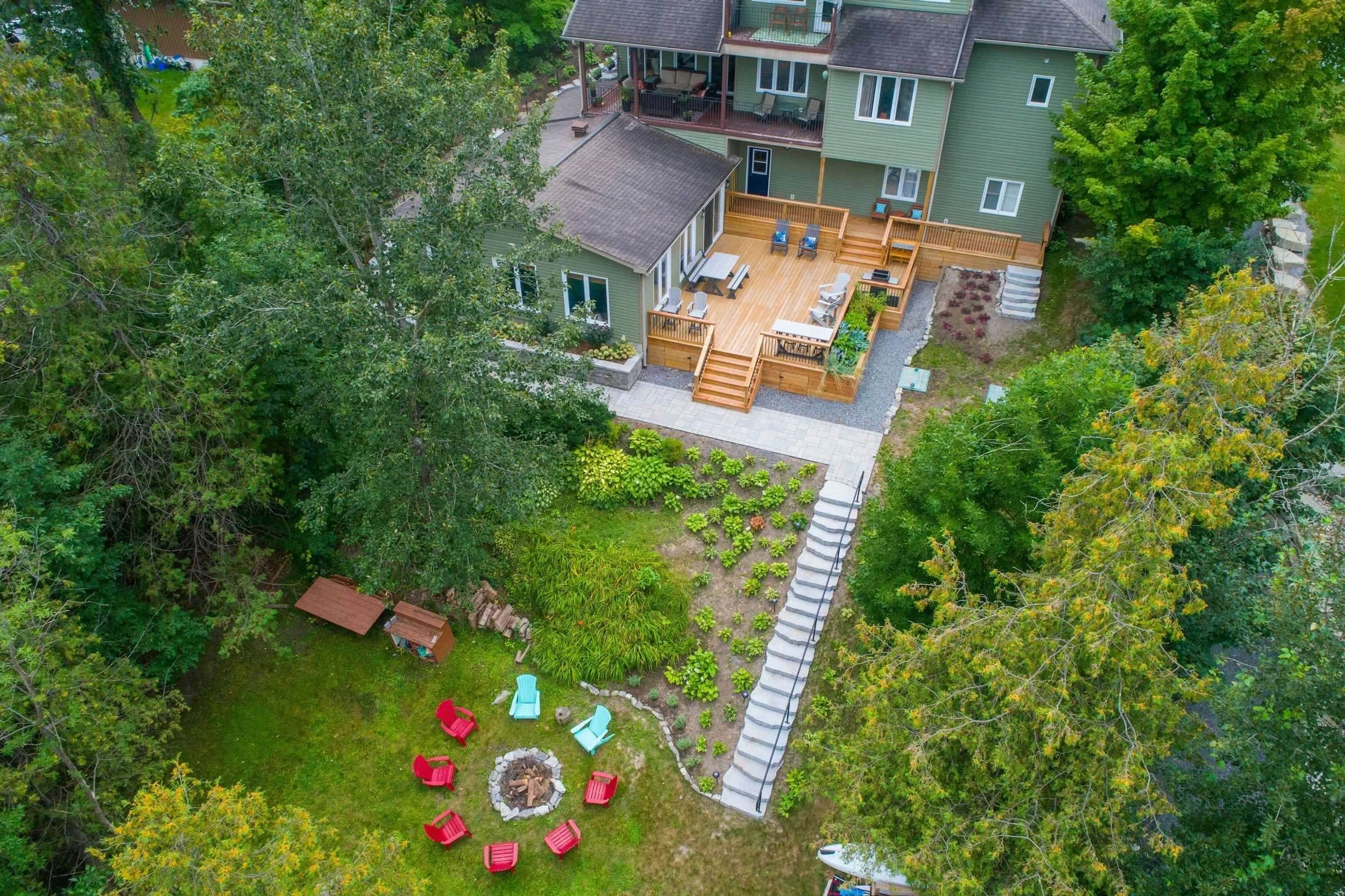
When homeowners discuss 2026 landscape design trends, many focus solely on aesthetics. On the Chicago North Shore, design choices only succeed if they perform under real Midwest conditions. A patio installed this year will face heavy spring rainfall, intense summer heat, and repeated freeze-thaw cycles by fall. The plants chosen today will either adapt to clay soil and unpredictable moisture or require costly replacement.
Illinois weather patterns continue to shift. Rain now arrives in heavier bursts, followed by longer dry stretches. Municipalities across the North Shore increasingly emphasize proper drainage, runoff control, and responsible planting practices. As a result, landscape design trends for 2026 prioritize function. These trends prioritize durability, water management, and long-term value instead of short-term visual impact.
Across North Shore neighborhoods, the most successful landscapes share common characteristics. They work with soil conditions, intentionally control water movement, reduce unnecessary maintenance, and hold up over time. These trends show how homeowners design outdoor spaces that align with Illinois realities rather than idealized conditions.
Native Planting and Drainage Shape Core Design Decisions
Native and climate-resilient planting remains a defining element of 2026 landscape design trends. Plants such as purple coneflower, wild bergamot, switchgrass, and other Midwest natives tolerate clay soil, drought stress, and seasonal extremes. These plants establish deeper root systems, manage fluctuating moisture levels, and survive winter conditions with minimal intervention.
Designers now select plants based on soil compatibility and long-term performance rather than appearance alone. This approach reduces irrigation demands and replacement cycles while supporting healthier landscapes. As municipalities continue to encourage native planting, this trend aligns regulatory expectations with practical ownership benefits.
Drainage planning works hand in hand with planting design. Designers now address water movement early in the process by grading landscapes intentionally and incorporating permeable surfaces where appropriate. When designers plan for runoff at the start, they prevent erosion, standing water, and plant failure later.
Low-Maintenance Layouts Reflect Ownership Realities
Maintenance costs have reshaped how designers approach residential landscapes. Labor availability remains tight, and homeowners no longer expect weekly upkeep as standard. For this reason, 2026 landscape design trends emphasize layouts that remain polished without constant attention.
Designers reduce lawn areas, simplify planting schemes, and rely on mass plantings instead of complex mixed beds. Fewer plant varieties reduce pruning, mulching, and seasonal replacement. Strategic hardscaping replaces turf in areas where grass struggles, improving both appearance and performance.
These landscapes still feel intentional. Designers use geometry, repetition, and focal elements to create structure without adding a maintenance burden. The result is an outdoor space that looks refined while staying manageable over time.
Outdoor Living and Material Durability Drive Long-Term Value
Outdoor living spaces now need to function beyond a short summer window. Homeowners invest in patios, pergolas, and seating areas that remain usable from early spring through fall. Designers consider wind exposure, sun angles, and drainage patterns to improve comfort throughout the season.
Material selection plays a critical role in this trend. Freeze-thaw cycles damage poorly rated stone and concrete, leading to cracking and movement. Designers increasingly choose materials tested for Midwest conditions, even when initial costs are higher. These materials last longer and reduce long-term replacement expenses.
By prioritizing durability and extended usability, homeowners protect their investment and ensure outdoor spaces perform year after year.
Applying 2026 Landscape Design Trends to Your Property
These trends reflect practical responses to Illinois climate conditions, municipal requirements, and long-term ownership costs. Chicago North Shore properties vary widely in soil composition, grading constraints, and neighborhood standards. Designers who understand these variables create landscapes that perform as intended.
When landscape planning accounts for soil behavior, water movement, and seasonal stress, outdoor spaces improve over time rather than becoming ongoing problems. Homeowners who plan with these trends in mind avoid costly corrections and enjoy landscapes that age well.
For expert guidance rooted in North Shore conditions, contact the specialists at Pappas Company Landscape & Design.