North Shore Firescaping Design: Beauty Meets Resilience
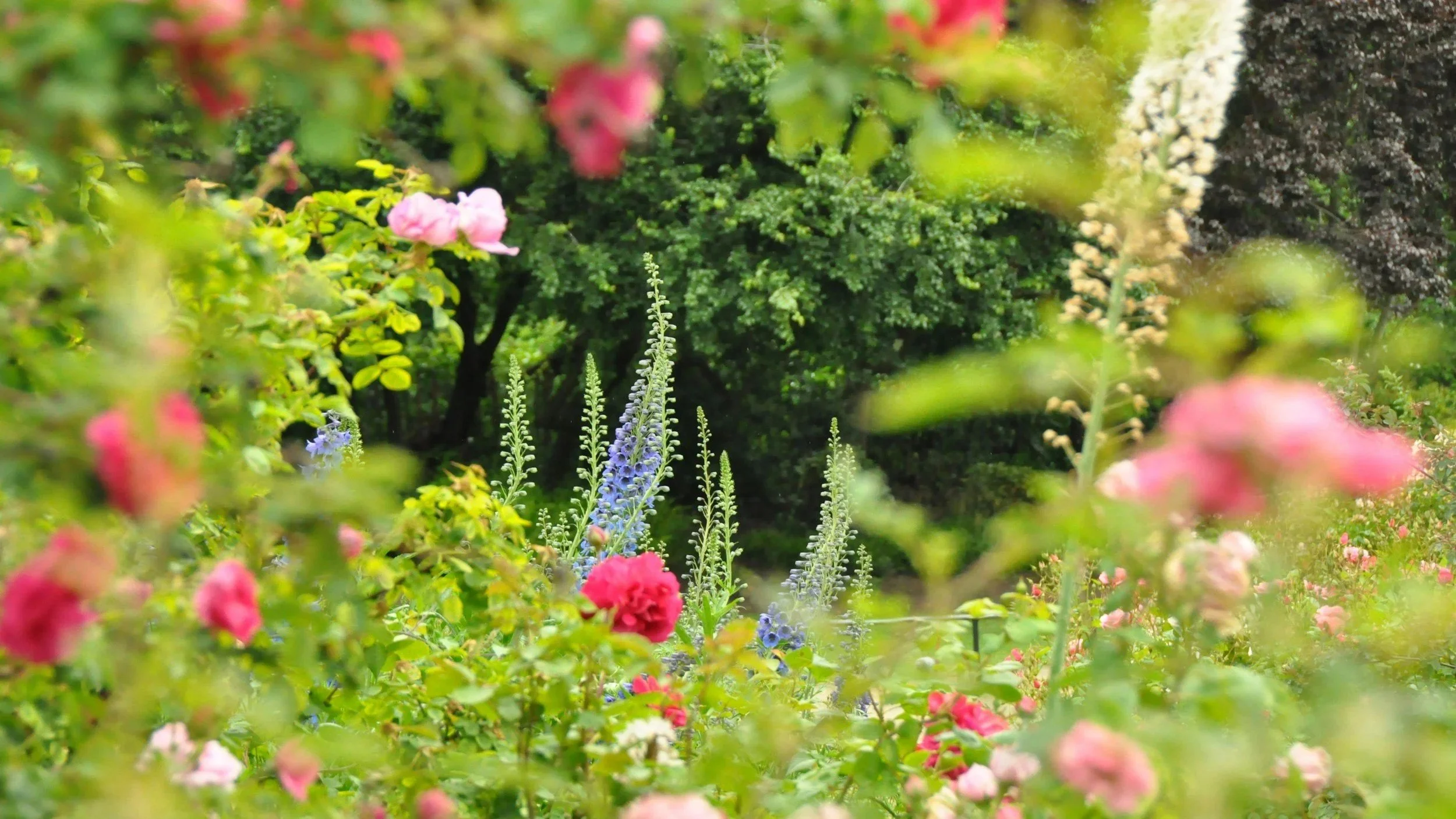
North Shore firescaping design is part of a broader shift happening in garden design for 2026, one rooted in practicality and resilience rather than looks alone. As wildfire seasons grow longer and more intense across much of the country, homeowners in fire-prone regions are rethinking their landscapes through the lens of preparedness. That doesn't mean sacrificing style, though. The same principles that create a defensible zone around a home on the West Coast also happen to produce a beautiful, low-maintenance landscape almost anywhere, North Shore properties included.
Firescaping isn't really about eliminating plants; it's about choosing the right ones and placing them thoughtfully. Patios, pathways, and layered planting beds can all double as functional buffers without looking like a fortress. Safety and style aren't competing goals here; they're working together.
For North Shore homeowners curious about this trend, it helps to understand what firescaping actually involves and which of its core design principles translate well beyond wildfire country. Even on a Chicago-area property that will likely never face an actual wildfire, the same choices (i.e., deciduous plantings, non-combustible hardscape, and a tidy perimeter free of debris) add up to a landscape that's easier to maintain and holds up better through a hot, dry summer stretch.
What Is North Shore Firescaping Design?
Firescaping is a landscaping approach that selects and places plants and hardscape accents to beautify a property while reducing its fire risk. No plant is truly fireproof, but some ignite more slowly and burn less intensely than others. Herbaceous, succulent, and green plants tend to hold more moisture, which means they need more sustained heat before they'll ignite, and they burn more slowly once they do.
Low-growing plants help too, simply because they carry less biomass to burn than tall, woody specimens. Deciduous plants, which drop their leaves each fall, are generally a safer choice than evergreens, since many evergreens contain oils, resins, and waxes that turn into combustible gases and burn intensely once lit.
One widely used placement rule keeps things simple: "lean, clean, and green" within 30 feet of the house, meaning short, small-leafed, herbaceous plantings kept free of dead vegetation and debris. Hardscape accents fit naturally into this zone as well. Patios, boulders, walkways, and walls don't burn, and materials like pea gravel or decomposed granite double as both a design feature and a fuel break. Water features work the same way, adding visual and sensory interest while creating one more surface a fire can't cross.
Key Chicago North Shore Firescaping Design Principles
The classic firescaping model builds outward in zones, with the area closest to the home kept the most open and the least flammable. A plant-free or hardscaped buffer right against the foundation, dressed up with decorative stone rather than left bare, can look just as intentional as any other garden feature while doing real protective work.
A few specific choices carry the most weight in that zone and the ones just beyond it:
Swap evergreen shrubs and trees near the house for deciduous varieties or low, herbaceous perennials.
Use decorative stone, gravel, or a hardscaped patio as a plant-free buffer close to the foundation.
Choose succulent groundcovers, such as sedum or ice plant, on slopes or hard-to-maintain areas, since their high moisture content helps slow ground fires.
Keep mulch, leaves, and dead vegetation cleared within the first 30 feet of the house.
Add a water feature or a solid, non-combustible wall as a natural fuel break between planting areas.
None of these choices require giving up a lush, layered look. They just ask a homeowner to be a little more intentional about which plants sit closest to the house.
Firescaping for Chicago North Shore Homes
Firescaping started as a wildfire-country necessity, but its core ideas hold up well anywhere a homeowner wants a resilient, lower-maintenance landscape. Choosing deciduous over evergreen plantings near the house, using hardscape and stone as intentional buffers, and keeping debris cleared close to the foundation all add up to a garden that looks deliberate rather than defensive.
For North Shore properties, that combination of beauty and practicality is worth borrowing even without the same wildfire pressure found out West. A well-placed patio, a gravel border, or a bed of succulent groundcover can do double duty: reducing maintenance while giving a landscape a clean, considered edge.
The result is a yard that reads as intentional rather than sparse, with every element, from the plant palette to the hardscape underfoot, chosen for a reason. That kind of thoughtful design tends to age well too, since a landscape built around resilient plants and durable materials needs less rework season after season than one leaning entirely on high-maintenance greenery.
To bring firescaping-inspired design to your own North Shore property, contact the team at Pappas Landscape & Design.