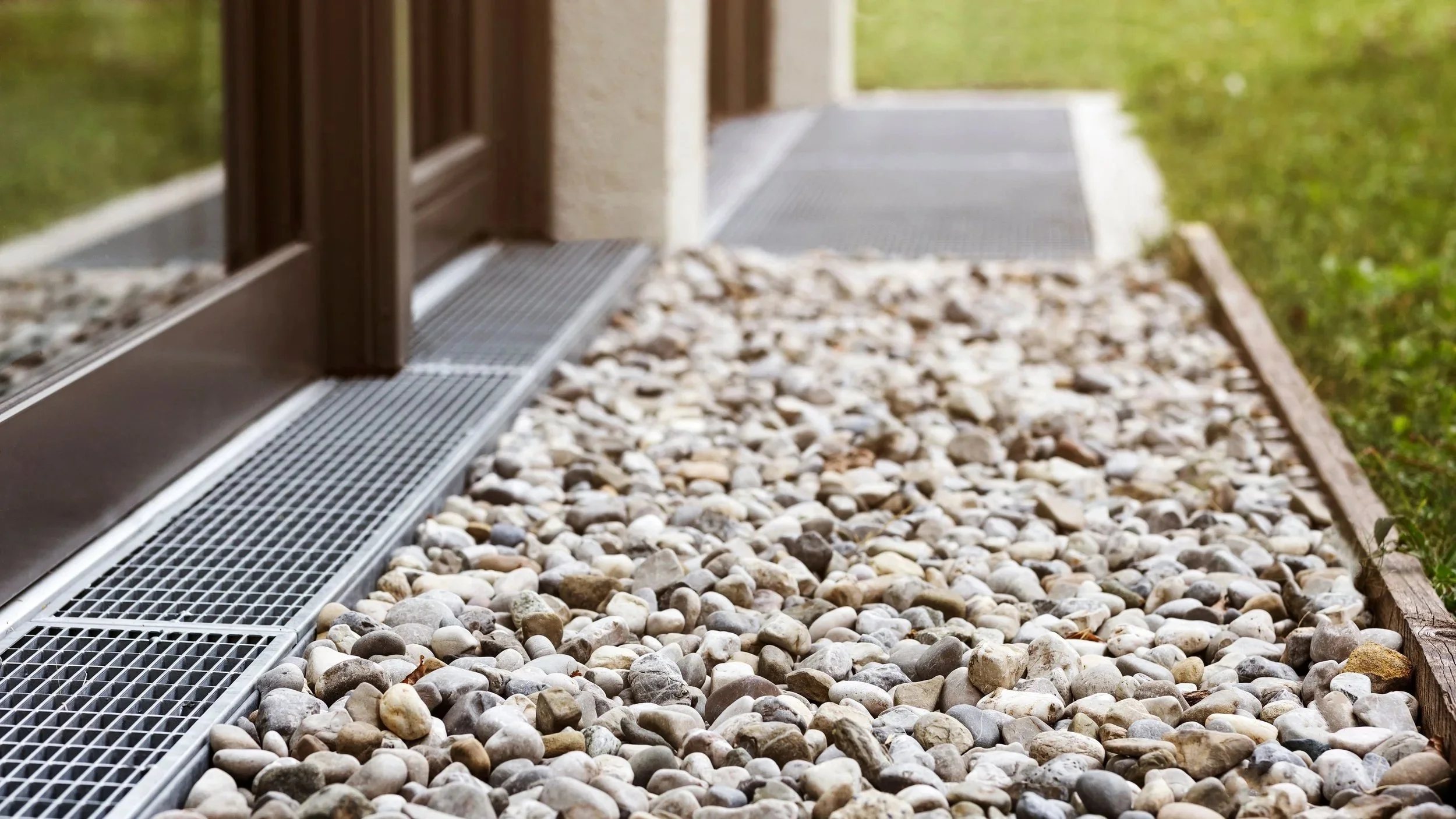
As the winter thaw transitions into the wet spring season, property drainage remains a critical component of home maintenance for Chicago North Shore residents. While April showers play a vital role in nourishing gardens and lawns, excessive moisture often leads to significant structural and aesthetic issues for a landscape.
Without a functional system to manage runoff, the accumulation of water poses a threat to the foundation of the home and the health of the vegetation. Strategic planning and the implementation of reliable systems prevent the ground from becoming a swampy mess during the peak of the rainy season. By understanding the mechanics of water movement, property owners ensure that the landscape stays healthy and the home remains dry and secure.
Common Landscape Drainage Solutions for Heavy Rain
Heavy rainfall requires reliable rainwater drainage systems to prevent yard flooding. Property owners can choose from several effective yard drainage solutions to protect investments from water damage.
French Drains: A French drain is one of the most reliable solutions for managing heavy rainfall. It uses a perforated pipe buried inside a gravel-filled trench, allowing water to flow naturally through the gravel and into the pipe before being redirected safely away from the home. This helps prevent yard flooding and protects the foundation from excess moisture.
Dry Wells: Dry wells are designed to collect excess run-off from roofs, driveways, and other hard surfaces. Instead of allowing water to flood the lawn, the system temporarily holds it and gradually releases it back into the surrounding soil. This keeps the yard firm and reduces pressure on stormwater systems.
Surface Swales: For sloped properties, surface swales provide an effective drainage route. These shallow, vegetated channels slow the movement of water, encourage ground absorption, and direct excess runoff toward a safe discharge point away from the property.
Dry Creek Beds: Many homeowners enhance swales by transforming them into dry creek beds using decorative river rocks. This creates a practical drainage path while also improving the overall appearance of the landscape.
Low Spot Identification: Professionals often emphasize locating low areas where water naturally pools. Addressing these zones before the rainy season helps prevent long-term lawn storage, solid compaction, and erosion.
Choosing the right drainage solution for heavy rain is essential for maintaining a healthy lawn and protecting the structural integrity of the property. Early intervention can save damage, soil compaction, and erosion.
How to Implement Better Property Drainage Systems
Improving property drainage requires a careful assessment of the land's topography. Water naturally flows downhill, so property owners must identify the high and low points of the yard before making any changes. Landscape drainage professionals recommend grading the land to create a gentle slope away from the home's foundation. These are some of the practices that prevent water from pooling near the structure and causing basement leaks or structural damage:
Land Grading: Proper drainage begins with assessing the yard’s slope. Grading the land to create a gentle incline away from the house ensures water flows away from the foundation instead of collecting near the structure.
Gutters and Downspouts: A well-maintained gutter system plays a major role in water control. Gutters collect roof runoff, while downspouts should extend at least five feet away from the home to prevent seepage near foundation walls.
Underground Drainage Pipes: Connecting downspouts to underground drainage pipes improves water flow efficiency by directing rainwater to a safe outlet point far from the house.
Rain Gardens: Rain gardens use native, deep-rooted plants placed in shallow depressions to capture and absorb excess runoff. Besides improving drainage, they also enhance the beauty of the property.
Permeable Surfaces: Replacing traditional concrete with permeable pavers allows water to filter naturally into the soil. This reduces runoff and helps maintain the natural water cycle.
Catch Basins: Catch basins installed at the lowest points of the yard collect surface water and channel it into underground networks. Routine cleaning ensures they remain effective during storms.
Implementing a strong property drainage system requires both smart design and regular maintenance. When combined, these solutions help safeguard the home, preserve the landscape, and improve long-term water management.
Maximize Property Drainage & Landscape Health with Pappas Company
A robust approach to property drainage safeguards the beauty and integrity of a home throughout the wettest months of the year. By investing in professional landscape drainage and monitoring the movement of water during heavy rain, homeowners avoid the stress of yard flooding and structural damage.
Whether through the installation of French drains or the simple maintenance of gutters, every action taken to manage water contributes to a more resilient property. A well-drained yard not only looks better but also provides a more stable environment for plants to thrive. For those seeking professional guidance on how to secure a landscape, contact the Chicago North Shore experts at Pappas Company Landscape & Design.